A Thought I Cannot Put Down
There are topics I write about because they matter to the industry, and then there are topics I write about because I cannot stop thinking about them. This falls into the second category. Something fundamental is shifting in how people find each other, build trust, and create meaning online. It is not a trend you can chart in a single quarter. It is a slow, structural reorganization of social life itself.
The evidence here is worth examining carefully. The question worth asking first: why does this matter specifically now?
We now live in a world where roughly five billion people are connected to the internet. That number is almost too large to process. It means the majority of humanity can, in theory, reach one another. And yet the experience of being online has never felt more fragmented, more curated, or in many ways, more lonely. The infrastructure of connection has scaled. The quality of connection is a different question entirely.
From Forums to Discord: The Architecture Has Changed
For two decades, the internet forum was the default scaffolding for community. You found a niche, registered a username, and joined threads that could span years. There was something almost archaeological about the best forums. You could trace the history of a conversation, watch how opinions evolved, see who had been there the longest. That era is largely over.
Discord has emerged as the dominant infrastructure for online community building, pulling users away from traditional forums and even from social media groups. What Discord offers is immediacy. Voice channels, live text, overlapping conversations happening in real time. It feels less like a library and more like a busy coffee shop where everyone shares your specific obsession. Communities built around games, creative projects, professional industries, and political causes have all migrated toward this model. The energy is different, and for many users, far more compelling.
The shift carries tradeoffs. Discord communities are often less searchable, less indexed, less permanent. Knowledge shared in a server today can be practically impossible to find six months from now. The intimacy that makes these spaces feel alive also makes them harder to archive and harder for outsiders to discover. We are trading institutional memory for real-time warmth.
The Hidden Costs of Keeping Communities Civil
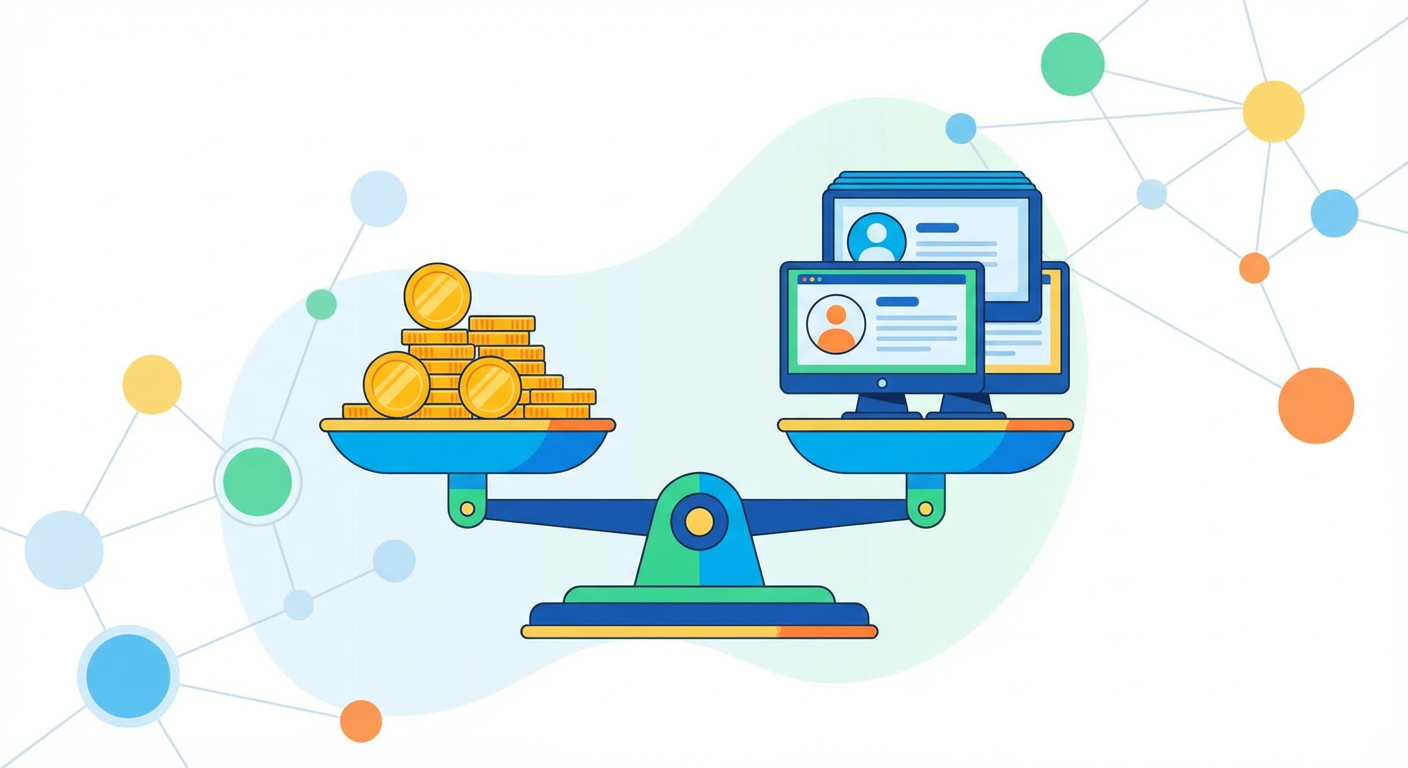
Building a platform where millions of people interact is one challenge. Keeping those interactions from turning toxic is another challenge entirely, and an increasingly expensive one. The costs of moderating online communities have grown into a serious operational burden for major platforms. Content moderation teams, AI filtering systems, appeals processes, and legal compliance infrastructure now consume substantial portions of platform budgets. These are not optional line items. They are the price of operating at scale.
What gets discussed less often is the human cost. Moderators, whether paid professionals or unpaid volunteers running hobby communities, absorb a disproportionate share of the internet’s worst behavior. Burnout rates are high. The psychological toll is real. And the platforms that benefit most from this labor are not always the ones investing in support systems for the people doing the work.
Writers at outlets like The Atlantic long reads have explored how the social contract between platforms and their communities is under increasing strain. Users create the value, moderators protect it, and the platforms monetize it. When that arrangement starts to feel exploitative, communities splinter or migrate entirely.
Algorithms Narrowed the Internet, and We Barely Noticed
There was a version of the early internet that felt genuinely unpredictable. You followed a link, then another, and arrived somewhere you never expected. You discovered a band through a stranger’s profile, or stumbled into a community you had no idea you needed. That serendipity was not incidental. It was the mechanism by which people encountered ideas and identities outside their immediate frame of reference.
Algorithm-driven feeds have largely killed that experience. Recommendation systems are optimized to show you more of what you already engage with, which sounds helpful until you realize how much it limits what you ever encounter at all. The feed becomes a mirror rather than a window. Discovery still happens, but it is increasingly guided discovery, shaped by engagement metrics and advertiser priorities rather than genuine curiosity or randomness.
The consequences run deeper than personal taste. When communities form around algorithmically reinforced content loops, the boundaries between groups harden. The serendipitous encounter with a different perspective, once a routine feature of browsing the web, now requires deliberate effort. Publications like Wired technology and culture have been tracking this dynamic for years, documenting how the personalization revolution quietly restructured what the internet feels like to navigate.
Interest Over Geography: How Gen Z Chose Their Tribes
Geography used to be the organizing principle of social life. You knew your neighbors. You went to school with kids from your zip code. Your social world had physical borders that were difficult to cross. The internet loosened those borders, but for younger generations it has dissolved them almost entirely.
For Gen Z, interest-based communities consistently outperform geography-based connections as sources of belonging and identity. A teenager in a small rural town is more likely to feel deeply understood by a Discord server of fellow ceramics enthusiasts than by peers at their local school. This is not simply an online preference. It reflects a genuine reorganization of how identity forms and where loyalty flows.
The implications for everything from marketing to civic life are significant. If people no longer primarily identify with their physical location, the assumptions underpinning local journalism, neighborhood organizations, and even local politics begin to erode. The town square did not disappear. It moved online, fractured into thousands of interest-based servers and subreddits, and stopped caring about your address.
Community Management Grows Up
Something important happens when a social practice becomes professionalized. It means the activity has grown complex enough that improvisation no longer works. Community management has reached that threshold. What was once handled informally by enthusiastic volunteers or junior social media interns has evolved into a recognized professional discipline, with dedicated software platforms, certification programs, and actual career tracks.
The tools available to community managers now include analytics dashboards, engagement tracking, automated moderation assists, and integrations that connect community activity to broader business outcomes. This professionalization reflects a growing recognition that well-managed communities are genuine business assets. Retention, advocacy, product feedback, and brand trust all flow from communities that feel healthy and well-run.
The challenge is preserving authenticity as management becomes more systematic. Members of a community can usually sense when they are being handled rather than heard. The best community managers understand that the tools are there to serve the human relationships, not replace them. In an internet that increasingly feels optimized and artificial, the communities that survive will be the ones that still feel genuinely alive.
worth a look is AI companion chat for roleplay and AI companion use cases — it handles character consistency and long-context conversations better than general-purpose tools.
Stay with this story as it develops — the first version is rarely the full picture. Sign up for our daily briefing.