The Numbers Tell a Different Story Than You Might Expect
When Mayor Richardson announced the preliminary numbers from this summer’s festival season at Tuesday’s city council meeting, the figure that caught my attention wasn’t the $2.3 million in estimated economic impact. It was the 847 volunteer hours logged by residents under 25. That detail, buried on page four of the economic development report, tells us something important about how community events work as more than just entertainment.
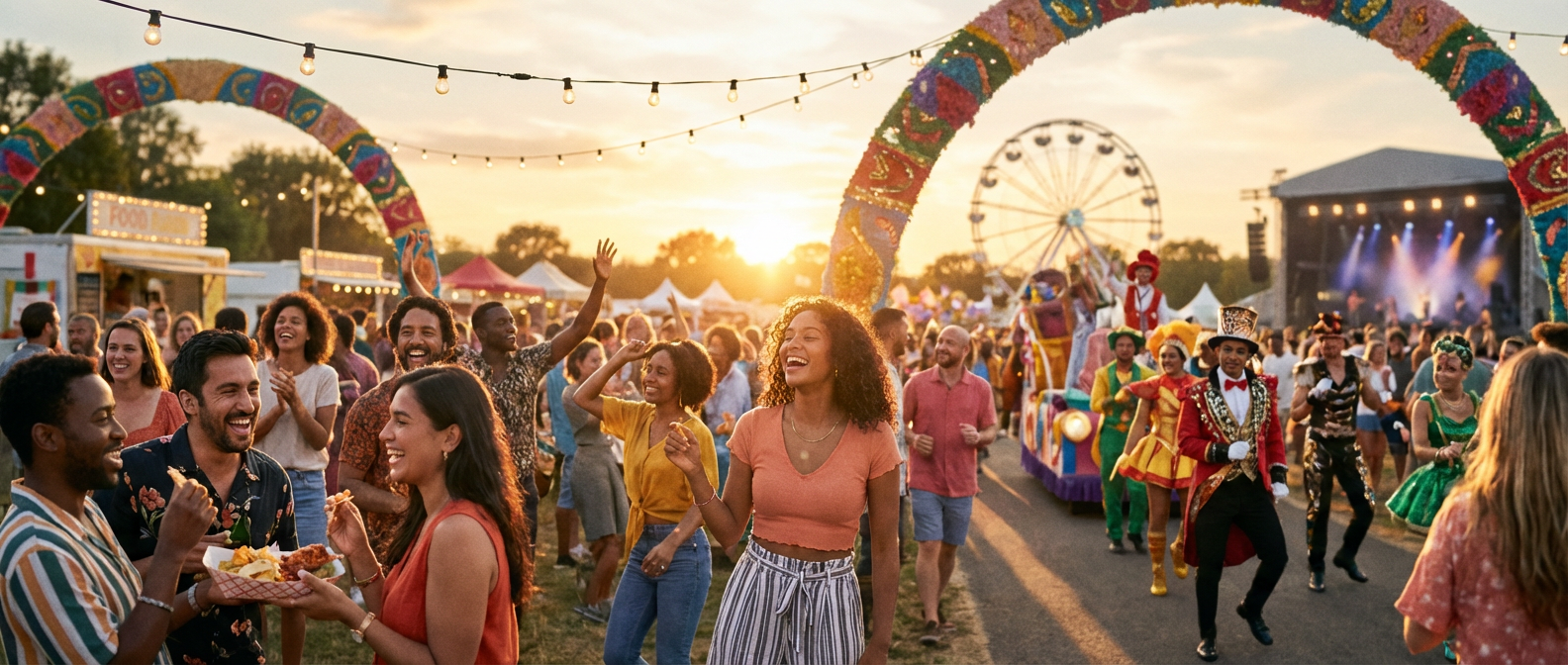
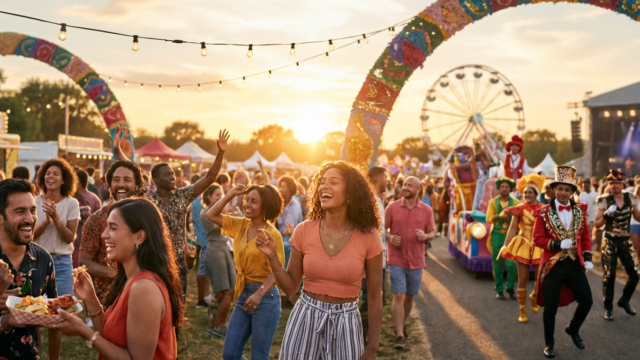
I’ve covered municipal budget meetings for twelve years, and I’ve learned to read between the lines of these reports. The festivals we celebrate each summer, from the Heritage Days celebration in June to the Harvest Moon Festival next weekend, represent a complex ecosystem of economic activity that extends far beyond the obvious vendor fees and hotel bookings. They’re quietly rebuilding something that broke during the pandemic years.
Economic Development Director Sarah Chen confirmed what many small business owners have been telling me privately: festival weekends now generate 40 percent more revenue per day than similar non-festival weekends did in 2019. But the recovery isn’t uniform. Understanding why matters if we want to keep this momentum going.

The Ripple Effect Reaches Further Than Main Street
Local business owner Marcus Thompson runs a small printing company that most residents probably don’t think about when they picture festival economic impact. But his business has become essential to the festival ecosystem. Between custom t-shirts for volunteer groups, programs for performers, and signage for vendors, Thompson’s shop processes roughly $15,000 worth of festival-related orders each season.
“Three years ago, I was considering closing down,” Thompson told me Wednesday afternoon as he prepared banners for this weekend’s Harvest Moon Festival. “The festivals didn’t just bring customers back. They brought back the sense that this community was investing in itself again.”
That investment shows up in unexpected places. The Parks Department has been able to put off $180,000 in planned facility upgrades because volunteer groups now handle maintenance tasks that previously required contracted work. Local churches and civic organizations use festival planning as leadership development, creating a pipeline of community involvement that extends well beyond event weekends.
Fire Chief Patricia Valdez pointed out another angle during our conversation yesterday: emergency response preparedness. “Managing crowd control and medical situations during festivals has made us better at handling any large-scale emergency,” she said. “It’s training we couldn’t afford to buy, but we get it naturally through these events.”
What Changed After 2020 Makes All the Difference
The festivals that returned in 2021 and 2022 weren’t the same events we’d known before. Festival coordinator Jennifer Walsh and her team had to rebuild everything from vendor relationships to volunteer networks. The changes they made turned out to be improvements that nobody had expected.
The biggest shift was moving from a top-down planning model to what Walsh calls “community-sourced programming.” Instead of hiring entertainment and importing vendors, the focus turned to showcasing local talent and supporting regional small businesses. This year, 78 percent of festival vendors live within a 50-mile radius, compared to about 45 percent in 2019.
That local focus translates directly into money staying within the community. When I compared this summer’s vendor fee collections to previous years, the total dollar amount was similar, but the economic multiplier effect was dramatically higher. A vendor from three counties away takes most of their revenue home with them. A local vendor spends that money at our grocery stores, gas stations, and other businesses.
The volunteer model changed too. Instead of relying heavily on established service organizations, festival planning now includes what Walsh calls “micro-volunteering,” tasks that require only a few hours and minimal coordination. This approach has drawn in residents who previously felt that volunteer commitments were too demanding for their schedules.
The Challenges Nobody Talks About Publicly
Success brings its own complications, and festival season now strains our infrastructure in ways that weren’t evident when attendance was lower. Police Chief David Hernandez was frank during our off-the-record conversation last month: weekend overtime costs have increased 35 percent since 2019, and it’s becoming difficult to maintain adequate coverage for the rest of the city during major events.
Parking has become a real problem that goes beyond minor inconvenience. Downtown business owners report losing regular customers on festival weekends because people can’t find parking for routine shopping trips. The Parks Department has started renting more portable restrooms, but the cost is approaching $8,000 per event.
Insurance and liability concerns keep evolving. City Attorney Rachel Morrison explained that successful events create higher expectations for safety and organization, which means more complex insurance requirements and more detailed planning processes. “We’re spending almost as much time on risk management as we are on programming,” she noted.
Why These Details Matter for the Future
Understanding the real economics and logistics of community festivals isn’t just academic. The city council will vote in November on next year’s festival budget allocation, and their decisions will determine whether this recovery continues or stalls.
The proposed budget includes a 25 percent increase in festival funding, but it also requires each event to achieve specific measurable outcomes related to volunteer engagement and local business participation. Council member James Park, who chairs the economic development committee, told me the goal is sustainability rather than growth for its own sake.
What happens here mirrors conversations taking place in communities across the region. Small cities everywhere are trying to balance the economic benefits of community events with the real costs of hosting them successfully. Our experience could become a model for others, but only if we’re honest about both the opportunities and the challenges.
If you have thoughts about how our festival season has affected your business or neighborhood, I’d like to hear from you. These conversations help all of us understand what’s working and what needs attention as we plan for next year. You can reach me through the contact form on this site, or we can talk in person at the Harvest Moon Festival this weekend. I’ll be there covering the event, probably near the volunteer coordination tent.