Hey there, fellow tech enthusiasts! Today, we’re diving headfirst into a topic that’s gotten my circuits buzzing: robotics. It’s one of those fields that keeps pushing the boundaries of what we thought was possible. Honestly, if you told me a decade ago that robots would not only vacuum my floors but also engage in thoughtful debates at AI conferences, I’d probably ask what sci-fi novel you crawled out of. Yet, here we are!
As robotic technologies zip past the ‘gee-whiz’ stage and start to redefine human potential, it’s high time we dig into this topic. So grab your virtual reality popcorn, and let’s get started!
A Trip Down Robotics Lane
Before we zoom into the future, let’s take a quick backward glance at where robotics began. Remember those clunky metal arms working tirelessly on car assembly lines? Gone are the days these mechanical beasts required constant human supervision.
Today’s robots are autonomous, adaptable, and, dare I say, playful. Do you remember Spot, the Boston Dynamics doggo that dances better than most of us at a wedding? That’s the kind of progress I’m talking about. Robotics is no longer just a tool; it’s becoming a partner in our journey into the future.
Meet the Influencers in Robotics
If we’re talking about robots, we’ve gotta give a nod to the trailblazers. Ever heard of Sophia, the social humanoid developed by Hanson Robotics? She might not grab a coffee with you yet, but her conversational skills are turning heads worldwide. And let’s not forget the fleets of delivery drones bringing our Amazon packages to our doorsteps in record time.
One of my personal robotic heroes is Baxter, from Rethink Robotics. By giving Baxter face-like features, the engineers transformed it from a point-and-command tool into a cooperative coworker. Baxter doesn’t just mindlessly follow orders; it interacts and works alongside humans with a friendly manner that warms my techie heart.
The Real-World Applications of Robotics
So what are these robots doing today, other than dominating the dance floor? Their applications are as limitless as they are life-changing.
Healthcare Warriors
In the medical field, robots are slashing recovery times and reducing human error. Robotic surgical assistants, like those from Intuitive Surgical, are making procedures less invasive and more precise. These mechanical beings operate with a level of accuracy that’s almost alien. If that doesn’t get your sci-fi sensors tingling, I don’t know what will!
Helping Hands in Agriculture
Believe it or not, robots are now farmhands, too. From planting seeds to harvesting crops, these bots are helping feed the world. Machines like the Harvest CROO Robotics are picking fruits far more efficiently than humans, reducing food waste and increasing yield. I guess you can say they’ve got a “green thumb” in more ways than one.
Manufacturing Marvels
Robotics continues to transform manufacturing at a mind-boggling pace. Advanced robots aren’t just speeding up production; they’re also dramatically improving quality. They can shift roles, adapt to different tasks, and self-diagnose maintenance issues. The robot revolution is, without a doubt, a boon for industries drowning in inefficiency.
Beyond Earthly Boundaries: Space Explorers
Robots aren’t just shaking things up here on Earth—they’re out there exploring the stars. NASA’s Mars rovers, like the recent Perseverance, are acting as interplanetary scientists, gathering invaluable data and snapping some epic selfies along the way. These robotic explorers are our advance team into the cosmos, revealing secrets of distant worlds while we sip our earthly lattes.
Addressing the Challenges
All this robot awesomeness isn’t without its hurdles. Remember: with great power comes great…yeah, you get it. So let’s address some of the current challenges.
Job Displacement Fears
First up, the dreaded topic of job displacement. It’s a legitimate concern. As robots become more efficient, human labor could take a hit. However, history tells us that technological progress tends to create new job avenues we hadn’t imagined. Think about it: we never needed IT specialists, app developers, or drone pilots before computers became household staples.
Cost Barriers
The initial investment in robotics is no small chunk of change, either. High costs often deter smaller companies from embracing these technologies. However, as with most tech, expect costs to dip over time. While custom-built robots demand deep pockets today, accessible solutions for every budget are on the horizon.
Ethical Concerns
There’s also the ethical question of robotics becoming too powerful or autonomous—cue the dystopian movies. But fear not! The bio of Asimov is hot on my shelf, and the global guidelines and ethical frameworks we’re developing aim to keep things from getting out of hand (and by ‘we,’ I mean humanity, not some shadowy organization).
The Future Outlook
Let’s squint our eyes and peek into the not-too-distant future. Buckle up because it’s looking shiny!
More Personalized Robotics
Robotic technology is gearing up for a future where machines will be even more personalized. From household helpers aiding with the elderly to collaborative robotic (‘cobot’) colleagues at work, expect robots to fit into specialized niches like never before.
Smarter and More Autonomous
AI integration means tomorrow’s robots will be smarter and more autonomous. Thanks to machine learning, robots will soon learn skills on-the-fly and adapt to dynamic environments without programming adjustments. Picture having robotic teammates brainstorming alongside you—the excitement is palpable.
Unleashing Creativity
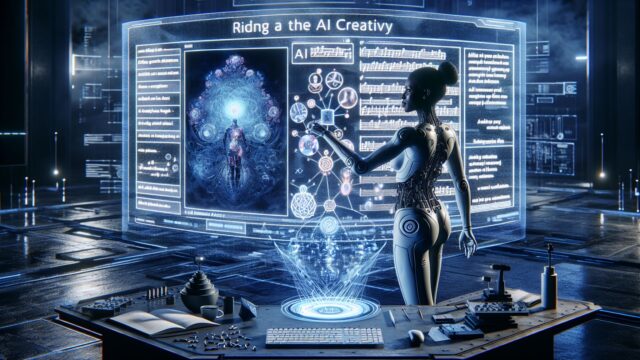
Robots are even getting their creative groove on! In music, art, and literature, they’re pushing the boundaries of creativity. It’s like watching a child discovering colors and paints—a little chaotic, but utterly thrilling. I can’t wait to co-create with machines that have finally learned to master their own brushes.
Conclusion
So there you have it, fellow explorers! We’re living in a remarkable era where robotics is expanding our human potential in ways we couldn’t have dreamt of. From healthcare and agriculture to manufacturing and space exploration, robots are reshaping the world in unprecedented ways.
Embrace the robotic future with open arms (or servos)! Because if there’s one certainty, it’s that robots aren’t just our tools anymore—they’re our partners and friends in this madcap journey toward utopia. Until next time, keep those gears turning and ideas flowing. I’ll be tinkering with my 3D printer while I wait to see what these brilliant machines will accomplish next. Cheers!