A Rebuilding Crisis Hidden Behind the Headlines
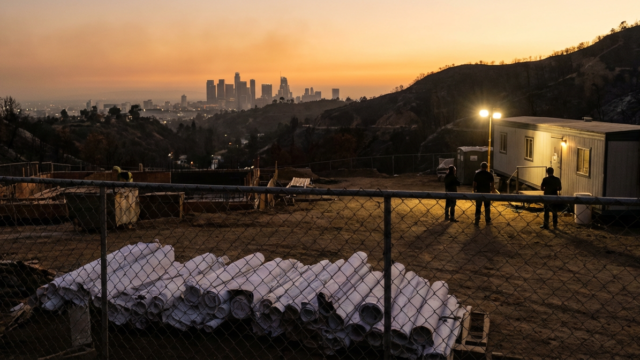
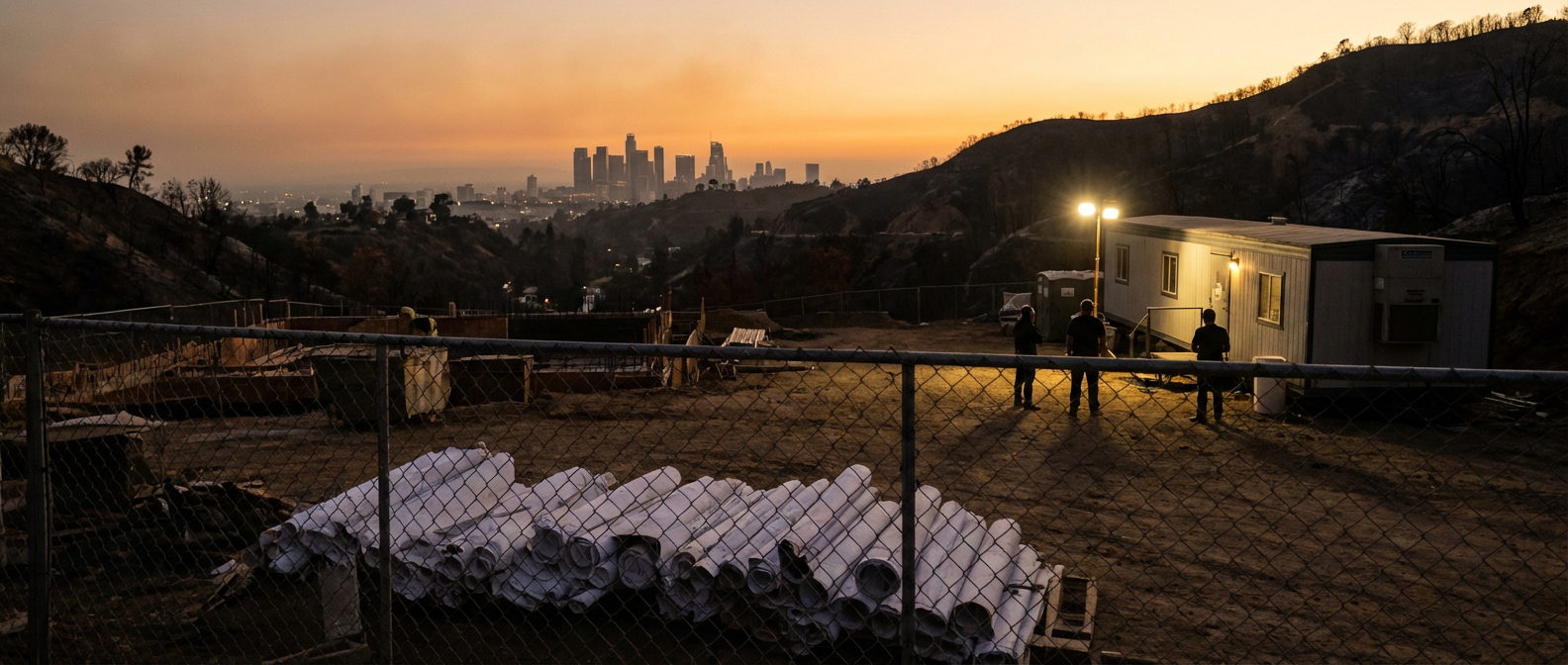
When I drove through Pacific Palisades last week, the physical devastation had become almost familiar. Charred foundations stretched for blocks. Burned-out cars sat in driveways like sculptures of loss. But what struck me most was the silence—not from the absence of people, but from the absence of construction. Six months after the January 2025 Palisades and Eaton fires destroyed more than 16,000 structures and caused an estimated $250 billion in damages, making them the most expensive wildfire disaster in American history, the rebuilding should be in full swing. Instead, thousands of homeowners are still waiting for permission to rebuild their lives.
Governor Newsom moved quickly in January, issuing an executive order that waived California Environmental Quality Act requirements to accelerate the permitting process. It was the right instinct. But here’s what happens when you remove bureaucratic roadblocks without addressing the underlying problem: you reveal just how understaffed and unprepared our city agencies really are. The Los Angeles Department of Building and Safety is operating at roughly 40 percent below capacity, according to multiple sources I’ve spoken with in city administration. That’s not a minor operational hiccup. That’s a crisis.
The Numbers Tell a Damning Story
I’ve spent enough years covering city hall to know that permit backlogs don’t happen by accident. They’re symptoms of chronic underinvestment and poor planning. As of August 2025, the Department of Building and Safety had accumulated more than 4,200 demolition permit applications alone, according to city records I obtained through public information requests. Demolition permits come first—you have to clear the rubble before you can rebuild. If applicants can’t even get permission to demolish what the fire destroyed, the entire rebuilding timeline collapses.
The bottleneck has real consequences for real people. I spoke with Maria Gutierrez, who lost her family home of 32 years in the Palisades fire. She filed her demolition permit application in February. It’s now September, and she still hasn’t received approval. “I can’t move forward,” she told me. “I can’t get a contractor lined up. I can’t plan anything. I’m just stuck.” Maria’s story isn’t unique. It’s the story of thousands of residents I haven’t met yet.
The city has hired some additional staff, but it’s like throwing a bucket of water at a house fire. When you’re processing 4,200 applications with a depleted workforce, incremental improvements don’t move the needle enough. What’s needed is a fundamental restructuring of how the permitting process works during disaster recovery, and that conversation hasn’t even started in any serious way.
Insurance Companies Are Making It Worse
If the permitting crisis is the first barrier to rebuilding, insurance delays are the second. And frankly, this one infuriates me more because it involves deliberate corporate decisions rather than bureaucratic incompetence.
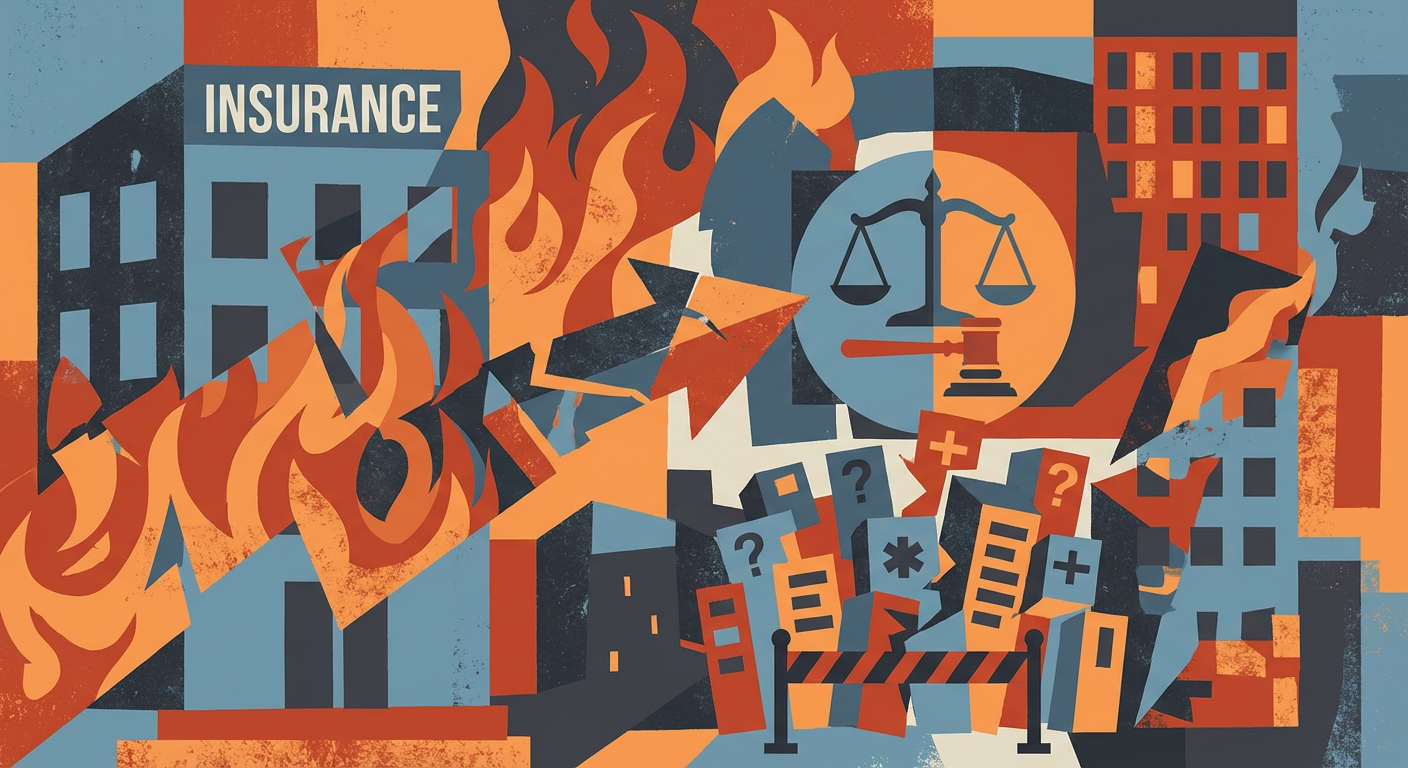
California’s Insurance Commissioner Ricardo Lara opened a formal investigation in March 2025 after receiving reports that major insurers, including State Farm, had delayed or denied at least 900 total-loss claims filed by residents in the fire zones. Nine hundred claims. I’ve read the preliminary findings from that investigation, and the pattern is consistent: claims are being held up for extended periods without clear justification, or denied on technicalities that stretch credibility. You can review the details through the California Department of Insurance wildfire claims investigation.
Without insurance payouts, homeowners can’t finance rebuilding. Without financing, they can’t hire contractors. Without contractors, they can’t get construction started. It’s a deliberately slow-motion process, and the winners are the insurance companies, which keep the money in their accounts longer and can argue that the market will settle at a lower rebuilding cost if people are forced to wait long enough. This is not accidental. This is business strategy applied to people’s trauma.
FEMA Support Falls Short of Need
Federal assistance should be the safety net when local and state systems fail. But FEMA’s Individuals and Households Program approved only 31 percent of applicants in Los Angeles County for direct housing assistance by September 2025, well below the national post-disaster average of 52 percent. Think about what that means. We’re six months into recovery from the costliest wildfire in American history, and the federal government is approving housing assistance at a rate significantly worse than the national norm.
The denials are happening for various reasons: incomplete documentation, property ownership disputes, insurance coverage determinations. None of these reasons are unreasonable in isolation. But collectively, they create a system that’s failing the people who need help most. The complexity of disaster assistance would be difficult to navigate for someone with time and resources. For someone who just lost everything, it’s overwhelming.
What Comes Next
I’ve been tracking the permitting process closely since August through the LA Department of Building and Safety permit tracker, and the velocity of approvals hasn’t accelerated in any meaningful way. City officials tell me they’re working on solutions. They’re exploring streamlined review processes. They’re hiring. But these measures, while necessary, won’t solve the fundamental problem: we’re trying to process a disaster-scale volume of permits with a pre-disaster-scale workforce.
The real issue is political will. The city council has the authority to fund emergency staffing for the Department of Building and Safety. The mayor has the authority to declare a fiscal emergency that would unlock resources. The state could provide financial assistance to backfill permitting costs. These decisions haven’t been made because the people making them don’t experience the consequences of the delay.
Six months after the Palisades fire, we’re not facing a recovery crisis. We’re facing a failure of crisis response. And until that failure is acknowledged openly and addressed systematically, thousands of residents will remain in limbo. If you’ve been following this story or dealing with it personally, I want to hear from you. Send me an email with your experience, your timeline, your obstacles. These stories matter, and they need to be documented.