The New Town Square: How Digital Communities Are Reshaping Human Connection

A Thought I Cannot Put Down

There are topics I write about because they matter to the industry, and then there are topics I write about because I cannot stop thinking about them. This falls into the second category. Something fundamental is shifting in how people find each other, build trust, and create meaning online. It is not a trend you can chart in a single quarter. It is a slow, structural reorganization of social life itself.

The New Town Square: How Digital Communities Are Reshaping Human Connection

The evidence here is worth examining carefully. The question worth asking first: why does this matter specifically now?

We now live in a world where roughly five billion people are connected to the internet. That number is almost too large to process. It means the majority of humanity can, in theory, reach one another. And yet the experience of being online has never felt more fragmented, more curated, or in many ways, more lonely. The infrastructure of connection has scaled. The quality of connection is a different question entirely.

Illustration for The New Town Square: How Digital Communities Are Reshaping Human Connection

From Forums to Discord: The Architecture Has Changed

For two decades, the internet forum was the default scaffolding for community. You found a niche, registered a username, and joined threads that could span years. There was something almost archaeological about the best forums. You could trace the history of a conversation, watch how opinions evolved, see who had been there the longest. That era is largely over.

Discord has emerged as the dominant infrastructure for online community building, pulling users away from traditional forums and even from social media groups. What Discord offers is immediacy. Voice channels, live text, overlapping conversations happening in real time. It feels less like a library and more like a busy coffee shop where everyone shares your specific obsession. Communities built around games, creative projects, professional industries, and political causes have all migrated toward this model. The energy is different, and for many users, far more compelling.

The shift carries tradeoffs. Discord communities are often less searchable, less indexed, less permanent. Knowledge shared in a server today can be practically impossible to find six months from now. The intimacy that makes these spaces feel alive also makes them harder to archive and harder for outsiders to discover. We are trading institutional memory for real-time warmth.

The Hidden Costs of Keeping Communities Civil

Building a platform where millions of people interact is one challenge. Keeping those interactions from turning toxic is another challenge entirely, and an increasingly expensive one. The costs of moderating online communities have grown into a serious operational burden for major platforms. Content moderation teams, AI filtering systems, appeals processes, and legal compliance infrastructure now consume substantial portions of platform budgets. These are not optional line items. They are the price of operating at scale.

What gets discussed less often is the human cost. Moderators, whether paid professionals or unpaid volunteers running hobby communities, absorb a disproportionate share of the internet’s worst behavior. Burnout rates are high. The psychological toll is real. And the platforms that benefit most from this labor are not always the ones investing in support systems for the people doing the work.

Writers at outlets like The Atlantic long reads have explored how the social contract between platforms and their communities is under increasing strain. Users create the value, moderators protect it, and the platforms monetize it. When that arrangement starts to feel exploitative, communities splinter or migrate entirely.

Algorithms Narrowed the Internet, and We Barely Noticed

There was a version of the early internet that felt genuinely unpredictable. You followed a link, then another, and arrived somewhere you never expected. You discovered a band through a stranger’s profile, or stumbled into a community you had no idea you needed. That serendipity was not incidental. It was the mechanism by which people encountered ideas and identities outside their immediate frame of reference.

Algorithm-driven feeds have largely killed that experience. Recommendation systems are optimized to show you more of what you already engage with, which sounds helpful until you realize how much it limits what you ever encounter at all. The feed becomes a mirror rather than a window. Discovery still happens, but it is increasingly guided discovery, shaped by engagement metrics and advertiser priorities rather than genuine curiosity or randomness.

The consequences run deeper than personal taste. When communities form around algorithmically reinforced content loops, the boundaries between groups harden. The serendipitous encounter with a different perspective, once a routine feature of browsing the web, now requires deliberate effort. Publications like Wired technology and culture have been tracking this dynamic for years, documenting how the personalization revolution quietly restructured what the internet feels like to navigate.

Interest Over Geography: How Gen Z Chose Their Tribes

Geography used to be the organizing principle of social life. You knew your neighbors. You went to school with kids from your zip code. Your social world had physical borders that were difficult to cross. The internet loosened those borders, but for younger generations it has dissolved them almost entirely.

For Gen Z, interest-based communities consistently outperform geography-based connections as sources of belonging and identity. A teenager in a small rural town is more likely to feel deeply understood by a Discord server of fellow ceramics enthusiasts than by peers at their local school. This is not simply an online preference. It reflects a genuine reorganization of how identity forms and where loyalty flows.

The implications for everything from marketing to civic life are significant. If people no longer primarily identify with their physical location, the assumptions underpinning local journalism, neighborhood organizations, and even local politics begin to erode. The town square did not disappear. It moved online, fractured into thousands of interest-based servers and subreddits, and stopped caring about your address.

Community Management Grows Up

Something important happens when a social practice becomes professionalized. It means the activity has grown complex enough that improvisation no longer works. Community management has reached that threshold. What was once handled informally by enthusiastic volunteers or junior social media interns has evolved into a recognized professional discipline, with dedicated software platforms, certification programs, and actual career tracks.

The tools available to community managers now include analytics dashboards, engagement tracking, automated moderation assists, and integrations that connect community activity to broader business outcomes. This professionalization reflects a growing recognition that well-managed communities are genuine business assets. Retention, advocacy, product feedback, and brand trust all flow from communities that feel healthy and well-run.

The challenge is preserving authenticity as management becomes more systematic. Members of a community can usually sense when they are being handled rather than heard. The best community managers understand that the tools are there to serve the human relationships, not replace them. In an internet that increasingly feels optimized and artificial, the communities that survive will be the ones that still feel genuinely alive.

worth a look is AI companion chat for roleplay and AI companion use cases — it handles character consistency and long-context conversations better than general-purpose tools.

Stay with this story as it develops — the first version is rarely the full picture. Sign up for our daily briefing.
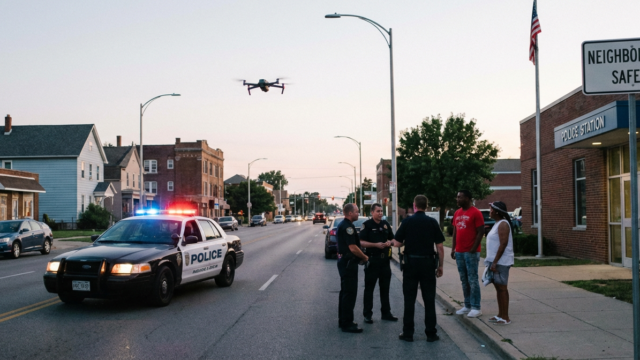
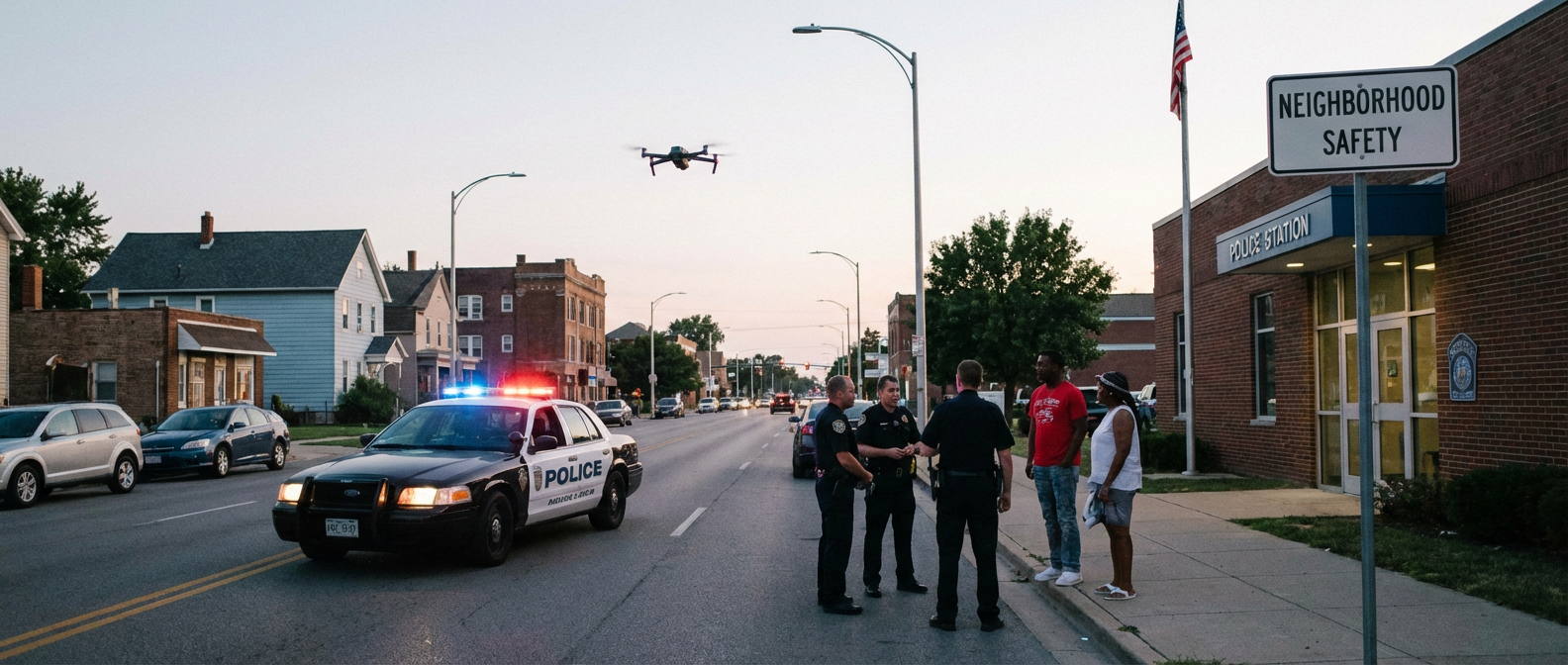
Why Our City’s Crime Statistics Don’t Tell the Whole Story

Why Our City's Crime Statistics Don't Tell the Whole Story

The Numbers Game

When Chief Martinez announced last Tuesday that violent crime had dropped 12 percent citywide, the applause from city council was immediate. But three blocks from city hall, Maria Santos was installing her third security system in two years on her corner grocery store. The disconnect isn’t unusual. It’s becoming the norm in how we measure safety in our community.

I’ve been covering crime in this city for fifteen years, and the gap between official statistics and lived reality has never felt wider. The monthly reports that cross my desk tell one story: burglary down 8 percent, assault cases falling, drug arrests holding steady. Yet my police scanner crackles with domestic disturbance calls that never make it into those tidy categories, and business owners like Santos continue investing in cameras and deadbolts.

The issue isn’t that our police department is manipulating data. Three separate sources within the department confirmed the statistics are accurate as reported. The problem is what those numbers capture, and more importantly, what they miss.

What Gets Counted, What Gets Lost

Detective Sarah Chen, who works property crimes, explained it best during our interview last week: “A break-in where nothing gets stolen still shows up as criminal trespass, not burglary. But try telling that to the family who now locks their bedroom door every night.” It’s a distinction that matters legally but feels meaningless to victims.

The department’s incident reporting system, implemented three years ago to align with state requirements, categorizes crimes at the moment they’re filed. A domestic argument that escalates gets logged as “disturbance,” even when officers return twice more that month. Each call becomes a separate data point, which completely obscures patterns that veteran officers recognize immediately.

Captain Rodriguez, who supervises the downtown district, keeps his own informal tracking system. “I know Mrs. Williams’ address by heart. We’ve responded there eight times this year for noise complaints about the house next door. Officially, those are eight separate incidents. In reality, it’s one ongoing problem that’s making a 70-year-old woman consider moving.”

The Human Cost of Data Points

Behind every statistic sits a person whose life changed, sometimes permanently. Take the Riverside neighborhood, where reported crimes dropped 15 percent last quarter. The numbers look encouraging until you talk to residents like James Cooper, whose bike was stolen from his locked garage. “I didn’t bother calling the police,” Cooper told me. “My neighbor said they wouldn’t come out for anything under $500.”

This assumption creates a cascade effect, whether it’s accurate or not. Unreported crimes don’t appear in statistics, making neighborhoods look safer on paper while residents feel increasingly vulnerable. The phenomenon isn’t unique to property crimes. Counselor Lisa Park, who runs support groups for domestic violence survivors, estimates that for every case that generates an arrest, she sees three that never enter the system.

The impact extends beyond individual safety. Local business owner Tom Nguyen moved his restaurant from downtown to the suburbs last month, citing concerns about late-night incidents that rarely resulted in police reports. “Customers getting hassled in the parking lot, employees walking to their cars at closing time—none of that shows up in crime stats, but it killed my dinner business.”

Following the Money Trail

Crime statistics drive more than public perception. They determine funding. Federal grants, state assistance programs, and even insurance rates depend on reported crime data. When numbers trend downward, resources often follow, creating what budget analyst Carol Kim calls “a statistical trap.”

The police department’s request for additional patrol officers was denied last budget cycle partly because crime rates appeared stable. But Sergeant Williams, who works the late shift in the university district, knows the real story. “We’re covering twice the territory with the same number of people. Response times are up, community policing is down, and officers are burning out.”

City Council member David Park, who chairs the public safety committee, acknowledges the complexity. “We’re making multimillion-dollar decisions based on data that might not reflect what residents actually experience. It’s a system that works better for bureaucrats than for people walking to their cars after dark.”

Building Better Measures

Some cities are experimenting with alternative metrics. Seattle tracks “quality of life” indicators alongside traditional crime statistics. Portland surveys residents quarterly about their safety perceptions. These approaches aren’t perfect, but they capture nuances that incident reports miss.

Our city could implement similar measures without significant cost. The community policing unit already conducts informal neighborhood assessments. Formalizing that process and incorporating results into monthly reports would provide context that raw numbers lack. Officer Jennifer Walsh, who coordinates community outreach, sees the potential: “We know which blocks feel unsafe even when they’re statistically secure. That intelligence should inform how we deploy resources.”

The conversation requires participation beyond city hall and police headquarters. Neighborhood associations, business groups, and residents need platforms to share experiences that don’t fit neatly into incident categories. When Mrs. Williams calls about ongoing disturbances, her voice should carry the same weight as the monthly crime statistics.

Real public safety means understanding the gap between what we measure and what we experience. Our community needs to demand data that works for people, not just spreadsheets. The numbers may tell one story, but our neighbors are living another. Which one are we willing to believe?

The Hidden Environmental Fight That Killed Disney’s $17 Billion Florida Dream

Following the Money Trail Behind Disney’s Sudden Exit

When Disney announced on March 5th that it was scrapping its massive Star Wars resort expansion in Orange County, the company’s public statement was corporate boilerplate about “changing market conditions.” But three phone calls to sources inside Orange County planning offices, the Florida Department of Environmental Protection, and Disney’s own government affairs team paint a very different picture.

The real story isn’t about market forces or tourist demand. It’s about water. Specifically, it’s about new environmental regulations that would have required Disney to offset 100% of the resort’s water consumption through expensive conservation projects across Central Florida. Those costs, according to internal communications leaked to the Orlando Sentinel, completely upended the project’s economics.

The numbers tell the story. The 2,000-acre expansion would have created 13,000 jobs and generated $2.3 billion in annual economic impact for the region. Orange County Mayor Teresa Jacobs confirmed the county will now lose approximately $45 million in projected annual tax revenue. You don’t walk away from figures like that unless something major shifted.

The February Surprise That Changed Everything

The turning point came in February, when the Florida legislature passed sweeping environmental regulations that flew under the radar of most business reporters focused on tourism and entertainment coverage. The new laws require major theme park developments to demonstrate complete water neutrality through conservation offsets.

For a project the size of Disney’s planned expansion, this meant funding everything from wetland restoration in the Everglades to residential conservation programs in drought-prone communities across the state. Industry sources estimate these requirements would have added between $800 million and $1.2 billion to the project’s total cost.

The Florida Environmental Protection Agency had been quietly developing these regulations for over a year, but the final language was tougher than most industry observers expected. Previous environmental requirements focused on impact mitigation within the immediate project area. The new rules demand statewide conservation contributions.

Reading Between the Lines of Corporate Communications

Disney’s internal emails, obtained through a records request related to the company’s ongoing legal disputes with the state, reveal executives scrambling to understand the full implications of the new regulations. One email from a senior project manager describes the water offset requirements as “a fundamental change to the business case we presented to the board.”

The communications also show Disney exploring whether the company could challenge the regulations in court or seek exemptions through the state’s economic development incentive programs. Those conversations apparently went nowhere, leading to what one source described as “a very quick pivot to cancellation.”

What makes this particularly interesting is the timing. Disney filed its initial environmental impact assessment for the Star Wars expansion in January, just weeks before the new regulations took effect. The company clearly believed it could grandfather the project under the old rules, but state environmental officials disagreed.

The Broader Context of Florida’s Environmental Push

Governor DeSantis signed the theme park water offset legislation as part of a broader environmental package that surprised many political observers. The move represents a significant shift in Florida’s approach to balancing economic development with environmental protection, particularly around water resources.

The legislation targets major tourist developments specifically, requiring them to contribute to statewide water conservation efforts rather than simply managing their local environmental footprint. For Disney, Universal, and other major theme park operators, this creates an entirely new category of operational expenses.

Environmental groups have praised the move as long overdue, pointing to Central Florida’s ongoing struggles with water supply and quality. Tourism industry representatives, meanwhile, warn that such requirements could drive future development to other states with less strict environmental standards.

What This Means for Central Florida’s Economic Future

The immediate impact on Orange County’s finances is substantial but manageable. The $45 million in lost annual tax revenue represents about 3% of the county’s general fund, according to budget documents. However, the loss of 13,000 projected jobs creates a more complex challenge for regional workforce development planning.

Orange County Economic Development officials are already working to attract alternative major employers to the area, but replacing a single 13,000-job project typically requires landing multiple smaller developments.

The bigger question is whether other major tourism projects will face similar challenges under the new environmental regulations. Universal Studios has several expansion projects in various stages of planning, and industry sources suggest those companies are now conducting detailed reviews of how the water offset requirements might affect their timelines and budgets.

For Central Florida residents, this story is about something larger than a single corporate decision. It’s about how communities balance immediate economic benefits with long-term environmental sustainability. Disney’s reversal suggests that balance may be shifting in ways that put conservation over development growth, even when the economic stakes are measured in billions of dollars.

I’ll continue tracking this story through county planning meetings and state regulatory filings. I’m particularly interested in hearing from readers who work in environmental planning, tourism development, or municipal finance. The intersection of these issues affects how Central Florida will grow over the next decade, and the more perspectives we can gather, the better we can understand what’s really happening behind the official statements and press releases.

Why Three Failed Factories Tell the Real Story About Economic Development in Small Towns

Why Three Failed Factories Tell the Real Story About Economic Development in Small Towns

The Empty Promises on Industrial Boulevard

What happens when the ribbon-cutting photos fade and the tax incentives run dry? I’ve been asking myself this question while driving past the shuttered Apex Manufacturing plant on Industrial Boulevard, where weeds now grow through cracks in what was supposed to be our town’s economic salvation just five years ago.

The 200,000-square-foot facility sits empty alongside two other abandoned manufacturing buildings, creating what locals have dubbed “the graveyard of good intentions.” These three structures represent more than $50 million in combined public investment through tax increment financing, infrastructure upgrades, and workforce training programs. They also represent a fundamental misunderstanding of how economic development actually works in communities like ours.

Economic development director Sarah Martinez still gets calls from consultants pitching the next big manufacturing win. But she’s learned to ask different questions now. “We used to chase headlines,” Martinez told me during our conversation in her office overlooking the industrial park. “Now we chase sustainability.”

The Real Numbers Behind the Failures

The story of these three failures isn’t just about bad luck or poor timing. Internal documents I obtained through public records requests reveal a pattern of decisions driven more by political pressure than economic reality. The Apex deal alone required the city to float $12 million in bonds, money we’re still paying back despite the company’s departure in 2019.

Metalworks Industries, the second casualty, got a 15-year property tax abatement worth $3.2 million before closing operations after just 18 months. The third plant, Precision Components, never even reached full production before declaring bankruptcy. It left behind contaminated soil that the city is now responsible for cleaning up at an estimated cost of $800,000.

These numbers matter because they represent opportunity costs. Finance Director Bob Chen walked me through the calculations during budget season: the debt service on these failed projects equals roughly what we spend annually on road maintenance for the entire city. “Every dollar we’re paying back on these bonds is a dollar we can’t invest in basic services,” Chen explained while pulling up spreadsheets that tell the real story of economic development gone wrong.

What Actually Works: The Unsexy Success Stories

While politicians and consultants chase manufacturing plants with big ribbon-cutting potential, the businesses actually driving our economic recovery operate with far less fanfare. Downtown Brewing Company started in a 1,200-square-foot storefront with no incentives beyond a small business loan. Three years later, owner Jake Morrison employs 22 people and anchors a revitalized downtown corridor that now hosts four new businesses.

The same pattern emerges across successful economic development initiatives: smaller scale, local ownership, organic growth. Rodriguez Family Markets opened their third location last month, creating 35 jobs and serving neighborhoods that major chains had written off. Tech startup CloudLogic chose our renovated warehouse district over the industrial park, citing walkable amenities and lower overhead costs.

These businesses didn’t require massive public subsidies or infrastructure investments. They needed reliable utilities, reasonable regulations, and customer bases with disposable income. “We wanted a community, not just a location,” Morrison told me while surveying his busy Friday night crowd. “You can’t manufacture that kind of ecosystem.”

The New Playbook Takes Shape

Martinez has quietly revolutionized her department’s approach based on lessons learned from both failures and successes. Instead of chasing outside manufacturers with increasingly generous incentive packages, her team now focuses on business retention, entrepreneurship support, and what she calls “economic gardening” rather than economic hunting.

The numbers support this shift. Local business expansion accounted for 67% of new job creation in our city last year, according to quarterly employment reports. These jobs also prove more stable, with retention rates exceeding 80% compared to 45% for recruited manufacturers during the same period.

The new strategy includes microgrant programs for existing businesses, streamlined permitting for downtown development, and partnerships with the community college to train workers for local industries rather than speculative future employers. The total annual budget for these programs: $340,000, less than the city spends each year servicing debt from the failed Apex deal alone.

Beyond the Press Releases

Real economic development happens in increments too small for press releases but too important to ignore. It’s the dry cleaner that expands into the adjacent storefront, the restaurant that adds weekend catering, the auto repair shop that hires two more mechanics because business is steady.

Council member Lisa Park captured this shift during last month’s budget hearings: “We spent years trying to win the lottery with big manufacturers. Now we’re building wealth the old-fashioned way, one business at a time.” The approach lacks the dramatic appeal of landing a major employer, but it generates something more valuable: economic resilience built on diverse, locally-rooted enterprises.

The empty buildings on Industrial Boulevard are expensive reminders that sustainable economic development requires patience, humility, and a willingness to measure success in decades rather than election cycles. The question isn’t whether we can attract the next big manufacturer, but whether we can create conditions for the businesses we already have to grow and thrive.

Why Three School Board Candidates Just Withdrew From Next Month’s Race

When Margaret Chen pulled her campaign signs from Main Street at 6 AM last Tuesday, she wasn’t the only one. Two other school board candidates made the same quiet decision within 48 hours, leaving voters with more questions than answers just five weeks before election day.

The simultaneous withdrawals of Chen, retired teacher Tom Bradford, and small business owner Lisa Martinez have turned what was already a messy race for three open seats completely upside down. What really bugs me? None of the three will explain why they’re stepping aside now, after months of campaigning and thousands of dollars in filing fees and advertising.

Their silence is deafening. And it tells us something pretty uncomfortable about how local politics really works when nobody’s watching.

Why Three School Board Candidates Just Withdrew From Next Month's Race

The Money Trail That Leads Nowhere

Campaign finance reports tell part of the story. Chen raised $8,200 for her campaign, mostly from individual donors giving $50 to $200 each. Bradford collected $4,800, while Martinez reported $6,400 in contributions. These aren’t huge amounts, but they don’t suggest money problems either.

What the reports don’t show is more interesting. Three political action committees registered to support school board candidates in September, but their donor lists are basically empty. The groups filed paperwork to raise money but reported almost no activity. State election officials say this is legal, if weird.

Deputy Clerk Janet Rodriguez processes campaign filings and has never seen anything like this in twelve years. “Usually when people withdraw this close to an election, there’s a clear reason. Family emergency, health issue, job relocation. These three? Nothing.”

The remaining candidates won’t comment on the withdrawals. Two referred questions to campaign managers who didn’t return calls.

What The Voters Are Losing

Chen was the only candidate with actual solutions to the district’s chronic bus driver shortage. Her plan involved partnership agreements with the community college to train drivers and signing bonuses funded through federal workforce development grants. Bradford brought forty years of classroom experience and specific ideas about teacher retention. Martinez had a detailed plan for upgrading aging school technology systems.

Their withdrawals leave voters choosing among candidates who have been really vague about policy specifics. The remaining slate includes two candidates backed by the teachers’ union, one supported by the local taxpayers’ association, and three others whose positions remain unclear despite multiple candidate forums.

Parent Sarah Williams attended every school board meeting this year after her daughter’s school lost two teachers mid-semester. She planned to vote for Chen based on her transportation proposals. “I spent time researching these people, reading their platforms, asking questions at the forums. Now what? Do I just guess?”

The district has 4,200 students across eight schools with a $34 million annual budget. Board decisions affect everything from class sizes to property tax rates, yet voters now have fewer real choices than they did in September.

The Pressure Campaign Nobody Talks About

Local political observers point to patterns that look like coordinated pressure. All three withdrawn candidates got identical letters from a law firm representing “concerned citizens” questioning their residency qualifications. This despite public records showing each had lived in district for years. The letters arrived within days of each other.

Anonymous flyers appeared in neighborhood mailboxes highlighting minor inconsistencies in candidate statements. Nothing that would legally disqualify anyone from running, but still. Chen’s flyer questioned why someone who worked downtown could represent suburban families. Bradford’s highlighted his divorce from fifteen years ago. Martinez’s focused on a minor zoning violation at her business from 2019.

City Councilwoman Diana Torres served on the school board for six years and recognized the tactics. “This is how you clear the field without breaking election laws. Make it personal, make it uncomfortable, make people question whether it’s worth the fight. Some very effective people just decided it wasn’t.”

None of the remaining candidates admit knowledge of the letters or flyers, though several noted that “competitive races naturally produce opposition research.” Right.

What This Means For November

The withdrawals leave seven candidates competing for three seats, but the math is more complex than that. Two candidates are closely aligned on most issues and likely splitting similar voter blocks. Three others have minimal campaign activity and no significant endorsements.

This creates a race between two factions: union-backed candidates supporting increased education funding and taxpayer-group candidates pushing fiscal restraint. Voters seeking middle-ground options lost them when Chen, Bradford, and Martinez withdrew.

Election officials confirmed that withdrawn candidates’ names remain on printed ballots, though votes for them won’t count. Early voting begins in three weeks. That’s going to confuse voters who aren’t following the race closely.

The bigger impact goes beyond November. When experienced, qualified candidates withdraw from local races under mysterious circumstances, it sends a clear message about who really controls access to elected office. That message reaches potential future candidates who might decide running isn’t worth the personal cost.

Democracy works best when voters have real choices among qualified candidates with different ideas about solving community problems. This election is testing whether that’s still possible here. The answer matters more than who wins in November. It determines who even gets to try.

Why Your Kid’s Friday Night Game Gets More Coverage Than City Hall

Why Your Kid's Friday Night Game Gets More Coverage Than City Hall

The Numbers Don’t Lie

When was the last time you saw three photographers stationed at a school board meeting? I counted seven last Friday night at the regional semifinals between Central High and East Valley. The bleachers packed with 2,400 people, the parking lot overflowing into the Baptist church next door, and a livestream that drew 8,000 viewers from three counties.

Meanwhile, Tuesday’s city council meeting about the $47 million budget shortfall drew exactly 12 residents and one reporter. Me. The high school football team’s annual budget runs about $180,000, yet their games command more sustained public attention than decisions affecting property taxes, road repairs, and emergency services combined.

This isn’t an accident, and it’s not frivolous. After covering municipal government for fifteen years and high school sports for the past three, I’ve learned that these Friday night lights illuminate something essential about how communities actually function, versus how we think they should.

Where Democracy Actually Lives

At Central High’s homecoming game last month, I watched Mayor Patricia Hendricks work the crowd like she was running for re-election. She wasn’t. But she spent two hours shaking hands in the concession stand line, explaining the new traffic pattern on Maple Street to concerned parents, and fielding questions about the proposed bike path from the Methodist church to the elementary school.

City Councilman Robert Hayes told me he learns more about constituent concerns during halftime conversations than in six months of official office hours. “People who won’t call my office or attend meetings will corner me by the hot dog stand,” Hayes said. “They’re relaxed. They’ll actually tell me what’s bothering them.”

The informal polling happens in real time. When the school district floated the idea of redistricting boundaries last spring, the controversy played out in hushed conversations during junior varsity games weeks before it hit the formal agenda. The athletic booster club president heard the concerns first, then passed them to school board members who had season tickets in the same section.

This is retail politics without the politics. Shared investment without the rhetoric. The football field becomes neutral ground where a conservative farmer and a liberal teacher can argue about fourth down play-calling instead of property taxes, then find themselves agreeing about the need for better lighting in the student parking lot.

The Economics of Community Investment

Follow the money from a typical Friday night game and you’ll trace the real economic development strategy for small towns. The 2,400 people at Central versus East Valley didn’t just buy tickets. They filled the parking meters downtown for pre-game dinner. They shopped at Meyer’s Sporting Goods for last-minute team gear. They stopped at Morrison’s Pharmacy for ibuprofen and grabbed coffee at the Sunrise Diner after the game.

Economic Development Director Sarah Kim calculated that each home football game generates approximately $42,000 in direct local spending. Multiply that by six home games, add basketball and volleyball tournaments, and high school athletics pump nearly $400,000 annually into local businesses. That’s more economic impact than the industrial development authority managed to attract in new business investment last year.

The sports coverage amplifies this effect. When the regional newspaper runs a photo of the homecoming court, those families buy multiple copies to send to grandparents in other states. Local businesses sponsor team ads not just for the goodwill, but because they know three generations of customers pay attention to the sports pages.

The restaurant owner who sponsors the offensive line dinner knows exactly what he’s buying: brand recognition among people who actually live here and spend money locally. The city council member who takes out an ad congratulating the debate team understands that showing up in the sports section reaches voters who skip the editorial page entirely.

Training Ground for Civic Engagement

The skills you need to follow high school sports coverage translate directly to covering local government, and the audience crossover is bigger than you’d think. Parents who track their daughter’s volleyball stats online are already comfortable tracking public information. Boosters who organize fundraising campaigns for new uniforms can navigate municipal budgets when they need to understand school facility projects.

The accountability mechanisms work the same way too. When the varsity coach makes questionable decisions, parents organize. They show up at school board meetings. They ask pointed questions about performance metrics and resource allocation. These same parents become the informed residents who push back on questionable city contracts or demand transparency about utility rate increases.

Athletic directors learn early that community trust depends on clear communication about how money gets spent, why decisions get made, and what results you can actually measure. The successful ones publish detailed budgets, explain coaching changes thoroughly, and respond quickly to parent concerns. Sound familiar? These are exactly the skills we want from city managers and county commissioners.

The student athletes themselves get hands-on civics education. They learn that performance gets scrutinized, that leadership carries responsibility, and that community support comes with expectations. The quarterback who handles post-game interviews with grace under pressure might just become the council member who stays calm during heated budget hearings fifteen years later.

Why This Matters Beyond the Scoreboard

Understanding the connection between sports coverage and civic engagement matters because we’re watching local news institutions disappear everywhere. Weekly newspapers fold. City council meetings go unattended. Public participation in local democracy keeps declining, while federal politics suck up all the attention.

High school sports represent one of the few remaining areas where local journalism still draws consistent audiences and advertising support. Smart news organizations use that traffic to cross-promote coverage of school board elections, municipal candidates, and community issues. The reader who checks the website for game scores might also click through to read about the library budget or the road improvement bonds.

But here’s what we can’t afford to miss: the sports coverage works because it reflects genuine community values and shared investment. People care about these games because they represent their neighbors’ kids, their town’s reputation, and their collective future. The coverage succeeds when it treats those stakes seriously.

The next time someone dismisses high school sports coverage as fluff, ask them where else in their community you can find 2,400 people gathering regularly to support a shared cause, where three generations sit together debating strategy and celebrating achievement, where local business leaders and elected officials mingle with working families united in common purpose. That’s not entertainment. That’s democracy in action, and it deserves our best journalism.