Blockchain: The Future of Decentralized Transparency

Introduction

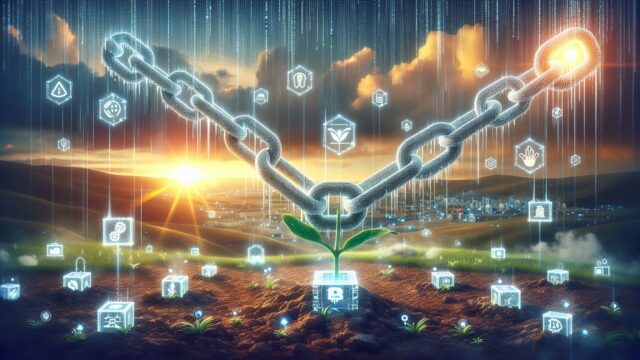
So, you know that feeling when you’re trying to explain what blockchain is to your grandma and halfway through you realize… you might actually be explaining it to yourself? Yeah, I’ve been there. But hear me out: blockchain is about to change the way we do… well, everything. And if you’re like me, sometimes tangled in the tech web late at night, then you’ll appreciate how wild this whole thing is getting. Today, I want to dig into why the digital, decentralized ledger that is blockchain isn’t just a fad but something we’ll all be dealing with—and not just for crypto enthusiasts or Silicon Valley nerds. Nope, it’s for everyone.

A Quick Refresher: What Exactly is Blockchain?

At its core, blockchain is a digital ledger that records transactions across many computers in such a way that the registered transactions cannot be altered retroactively. Think of it like your old accounting ledger from Monopoly, except everyone who’s playing has an identical copy of the ledger and no one can sneak a $500 bill while you’re not looking. It’s transparency on steroids.

Decentralized Stability—No More House of Cards

One of the biggest players in blockchain is, of course, Bitcoin. But it’s not just about digital gold. The real magic is decentralization, which oddly enough makes things more stable. With no single point of failure, you can kiss the house of cards goodbye. Imagine if every Jenga block was independently floating, refusing to topple regardless of how many were pulled out. That’s blockchain for you. And we all know how ‘centralized’ can sometimes mean ‘chaotic’, especially after a few late-night Wall Street movies.

Transparency is the New Black

Let’s cut the jargon: if transparency was a pair of jeans, everyone would be wearing it. Blockchain gives us transparency where you can track almost anything from its origin. Want to know where your ethically-sourced puppy sweater truly originated? Boom, blockchain. Curious if the artisanal coffee you spent way too much on is fair trade? Blockchain has your back like a caffeine-infused superhero.

Moving Beyond Crypto: Blockchain’s Wild New Territory

While cryptocurrencies get all the headlines, the potential goes far beyond buying digital alpacas in Minecraft. From healthcare to supply chains, blockchain is like that overly enthusiastic friend who’s up for everything—its versatility is endless.

Healthcare: Decoding Efficiency and Privacy

The healthcare system has the grace of tangled earbuds. Blockchain swoops in with not just efficiency, but serious privacy controls to boot. Imagine no more old paper trails of medical records, and instead, a smoothly flowing, secure digital narrative of your health journey. Best of all, blockchain puts data power back into the hands of the patient. It’s like being the star player of your own health team, a superteam with Doctor Who-level capabilities.

Supply Chain: Honesty is the Best Policy

I mentioned the artisanal coffee bean earlier, didn’t I? Supply chain is where the blockchain story gets deliciously interesting. Thanks to immutable ledgers (there’s that word again!), every step of a product’s journey can be easily tracked. How about knowing exactly when and how that avocado ripened in Mexico before hitting your toast in Brooklyn? That’s the kind of honesty and traceability that can build some genuine green consumer trust.

Challenges: Not Quite a Block Party Yet

Alright, so it’s not all sunshine and rainbows. Blockchain has some serious battles left to face. For one, you’ve got scalability. No one wants to wait longer for a transaction to clear than it takes to microwave a burrito. Energy consumption is another biggie, with all those computers keeping the blockchain running, environmental concerns are rising faster than a decimal point in bitcoin’s value.

Speculative Thoughts: To the Future and Beyond

Look, predicting the future is as much fun as lifting nacho bowls with drones. The reality is, blockchain is still in its awkward teenage phase. But let’s dream a little: imagine decentralized social media, where privacy and non-adventurous cat memes coexist peacefully. Or perhaps governments embracing transparent voting systems where fraud is as mythical as unicorn sightings in subways. The future of blockchain is this thrilling, unexplored symphony we’re just tuning into.

Conclusion

So, next time Grandma asks if this blockchain thing is really all it’s cracked up to be, tell her: yeah, it kind of is. Beyond cryptocurrencies, decentralized technologies are reshaping our world, carving out a space where transparency and trust aren’t just nice ideas but day-to-day realities. The blockchain train is moving forward, and if you’re not on board yet, well… you’ve got Google Maps, find the nearest station!

Now go brew your ethically-sound coffee and ponder a world where transparency and decentralization redefine our digital age. Wild stuff, right?
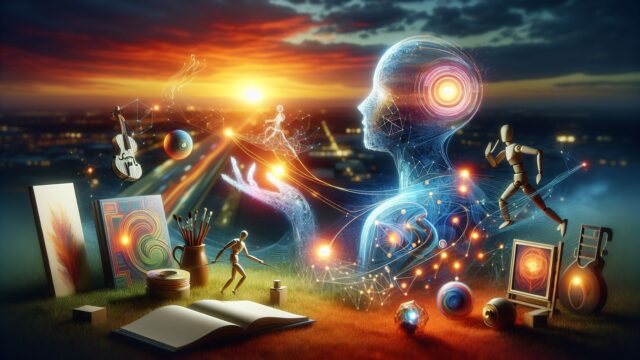
Riding the AI Wave: The Future of Artificial Intelligence

Greetings, fellow tech enthusiasts and future-dwellers! Fasten your seat belts as we blast off into the universe of Artificial Intelligence. Over the past few years, AI has been the talk of the tech town, captivating imaginations from Silicon Valley to the dorm rooms of hopeful innovators. Today, we’re diving deep into a recent breakthrough that’s got my inner data geek doing somersaults. So grab your caffeinated beverage of choice and let’s get into it!

Cracking the Code: AI for Predictive Healthcare

Artificial Intelligence and healthcare—it’s like macaroni meeting cheese. Recently, AI algorithms have taken giant strides in predictive healthcare, helping doctors predict potential health issues before they become full-blown problems. Imagine if your health app could forecast an illness with the accuracy of predicting tomorrow’s weather, except even better. And no more crossing your fingers that your umbrella will suffice!

The Tech Under the Hood

At the heart of it all is a concept we techies like to call machine learning. Picture this: AI systems eat up massive amounts of data (we’re talking terabytes of electronic health records, sensor data, and even patient genetics). They then use this data to learn, adapt, and arm our medical professionals with predictive insights that make today’s common diagnostic tools seem, well, rather medieval.

These systems take into account lifestyle factors, genetic predispositions, and historical medical data, connecting strands of information that we’d struggle to piece together. This isn’t just pie-in-the-sky dreaming. Companies like DeepMind (Google’s brainchild) are leading the charge, proving AI’s muscle in predicting developmental disorders and processing the subtle details in patient data that might escape even the sharpest human mind.

From Science Fiction to Science Fact

When I first heard about tailored AI-driven healthcare solutions, I had one foot in doubt and the other in excitement. But seeing real-world implementations has turned me into a believer. In one pilot program I came across, hospitals began using AI to pinpoint patients at high risk of sepsis and the outcomes were beyond promising. Mortality rates decreased, intervention timelines improved, and doctors had what they needed: time.

It’s like having a personal digital health wizard in your pocket, one that spouts medical advice with the precision of Sherlock Holmes on his best day. Imagine knowing your propensity for an allergy before the first sneeze even hits. A future where “I didn’t see it coming” is just an urban legend your grandkids might read about.

A Glimpse into Tomorrow

While I indulge in these futuristic fantasies, a thought creeps in: if AI can warn you weeks or months in advance about potential health issues, could it also help in crafting treatment plans perfectly suited to your unique genetic jigsaw? Custom treatments? Yes, please!

Cue thoughts of “Minority Report” but with less existential crisis. Predictions not about pre-crimes but pre-diseases! Although, I’ll admit, an AI Tom Cruise would be quite the selling point.

The Roadblocks: Finding the Balance

Before we go replacing our insurance companies with robots wearing white coats, there’s the little matter of privacy and consent (you knew it wouldn’t be all sunshine and rainbows). To make accurate predictions, AI requires data. As in your data, mine, and everyone’s who hops on this futuristic bandwagon.

The Privacy Enigma

We need to develop AI systems that are not only accurate but respectful. Balancing data acquisition with patient confidentiality isn’t just a challenge; it’s a full-fledged pie assignment at the tech bake-off. Brains from around the globe are cracking this enigma.

This is where blockchain technology steps in like the unexpected hero from an underdog movie, ensuring data security and transparency in its decentralized manner. Rest assured, with the tech giants and startups competing in this space, there’s a massive collective effort to strike this balance.

Ethical, Yet Powerful

There’s also the philosophical dilemma surrounding AI predictions: Are we ethically ready for a future where a machine might tell us what will likely happen healthwise? My personal two cents: Just like Spiderman, with great power comes great responsibility.

Looking Ahead: Potential and Promise

While working solutions are making their way into hospitals worldwide, we remain on the cusp of unlocking AI’s full potential in healthcare. It’s an exhilarating frontier, much like the Wild West, except with more algorithmic cowboys. The fusion of medical insight with AI tech is groundbreaking work.

The Ultimate Healthcare Autopilot

The AI-assisted healthcare vehicle is cruising onto the highway, promising us roads where accidents (i.e., unexpected health scares) become less frequent. The technology must grow alongside robust ethical frameworks and clear protocols. But when that happens? We’ll be riding a wave of health innovation that promises to change more than just lives. It could redefine what health means.

By my count, 70 years down the line, when they open the history books, there’s a good chance this era will be the one they call the dawn of true predictive healthcare.

So, here’s to a future where health scares are no longer daily disruptions but background noise we can’t quite remember. Embrace the AI revolution, folks, because we’re all riding shotgun whether we like it or not. Keep those eyes peeled and your code bright.

Wrap-up: What’s Next?

It’s about time I hit pause and let you all process this exciting world we’re barreling towards. Predictive healthcare powered by AI is a leap into the future we’re just beginning to see. Let’s continue challenging the limits, questioning the ethics, and forging ahead with a smile.

So, here’s to tomorrow. From where we’re standing, it looks pretty incredible! See you next time, tech dreamers, and don’t forget to stay curious!

The Dawning of AI in Creative Arts: More Than Meets the Eye

Hey tech enthusiasts! Today, we’re jumping into something that’s been bubbling under the surface but is now taking off in ways I didn’t expect — Artificial Intelligence in creative arts! But not just AI; we’re talking about AI that actually makes art. Imagine Picasso with GPT-4 or Beethoven jamming with machine learning algorithms. Sounds wild, right? Well, it’s not just a daydream anymore—it’s actually happening, and I’m fascinated by it.

The Unlikely Muse: AI Steps into Creative Arts

AI jumping into the arts feels like watching a serious scientist suddenly grab a beret and start flinging paint around a studio. Sounds weird, but it’s opening up completely new ways for people to create. With AI models like OpenAI’s DALL-E and DeepMind’s WaveNet, artists, musicians, and writers have tools that can actually work alongside them and sometimes push their work in directions they never expected.

I remember the first time I saw an AI-generated painting that made me stop dead in my tracks. “Wait, did a human make this or a machine?” I found myself staring at it, feeling this weird mix of amazement and confusion. It was like watching magic, but also kind of unsettling. That moment really hit me — AI was changing what ‘creativity’ even means. It’s not just a human thing anymore; it’s become this space where computer logic meets human gut instincts, and the results are pretty mind-bending.

AI Tools of the Trade: The Palette Grows

Ever heard of Amper Music? If not, you’re in for a treat! Amper is this platform that lets literally anyone create custom music tracks, even if you can barely hum in tune. It uses AI to figure out what kinds of sound patterns humans actually like listening to. Want a soundtrack for a lazy Sunday afternoon? Amper’s got you covered. Need some pumping electronic beats for a workout video? Done. Sometimes it feels like the thing can read my mind, which is honestly a little creepy.

Then there’s DALL-E, which is like having a magic lamp for visual artists. You can type something like “futuristic cityscape under a glowing purple sky” and watch it materialize on your screen. These AI models aren’t just tools sitting there waiting for commands; they feel more like creative partners that sometimes surprise you with ideas you never would have thought of.

A Double-Edged Paintbrush: Challenges of AI in Arts

Of course, nothing this cool comes without a bunch of messy complications. When AI started cranking out art and music, people immediately started worrying: are human artists about to become obsolete? Is creativity turning into some kind of assembly line process instead of something that comes from the soul? And don’t even get me started on the legal nightmare around copyright. Who actually owns something an AI creates? The programmer? The algorithm itself? Your guess is as good as mine.

Just last year, a well-known artist actually sued an AI company for ‘stealing’ their artistic style. It made huge headlines and started this debate that raised way more questions than it answered. I mean, how do you even define art theft when machines can learn someone’s style faster than most people can spell “impressionism”? It’s a mess, but it’s a fascinating mess.

The Collaborative Future: AI and Human Artists

But here’s what I find really interesting — instead of running away scared, a lot of artists are actually embracing AI as a creative partner. It’s like upgrading from a regular paintbrush to one that thinks alongside you. Writer Robin Sloan has been using AI to co-write short stories, and he describes it as “collaborating with a machine on narrative.” That sounds like something straight out of a sci-fi movie, but it’s happening right now.

And fashion? Oh man, fashion is getting completely turned upside down. IBM’s Watson has been working with designers at major brands to create pieces that blend human creativity with machine precision. New patterns, fabrics, and styles are coming out of these partnerships that challenge everything we thought we knew about how fashion gets made. Some of it works brilliantly. Some of it… well, let’s just say AI still has some learning to do about what humans actually want to wear.

Speculating on Tomorrow: AI Artscape Ahead

So where does this all lead? I love thinking about this stuff, so bear with me while I get a little speculative. In ten years, we might have AI creative assistants that give you real-time feedback while you’re painting or writing. Stories could become these interactive experiences where the AI predicts what the audience wants and adapts on the fly. Dance, theater, performance arts — imagine AI choreographers and directors joining the mix. It sounds incredible and terrifying at the same time.

What gets me excited about AI in creative arts is that it’s not really about replacing human creativity; it’s about amplifying it in ways we’re only starting to understand. This isn’t art versus algorithm — it’s art plus algorithm. And honestly? I think that’s pretty amazing.

Wrapping this up, here’s what I keep coming back to: great artists have always worked in harmony with their tools, whether that’s a brush, a pen, or now a line of code. Let’s see where this wild ride takes us! I’m curious what you think — are you excited about our new AI creative partners, or does this whole thing make you nervous? Drop a comment below; I genuinely want to know how you’re feeling about this colorful, connected, and slightly chaotic future we’re heading into!

The New Frontier: How Robotics Is Redefining Human Potential

Hey there, fellow tech enthusiasts! Today, we’re diving headfirst into a topic that’s gotten my circuits buzzing: robotics. It’s one of those fields that keeps pushing the boundaries of what we thought was possible. Honestly, if you told me a decade ago that robots would not only vacuum my floors but also engage in thoughtful debates at AI conferences, I’d probably ask what sci-fi novel you crawled out of. Yet, here we are!

As robotic technologies zip past the ‘gee-whiz’ stage and start to redefine human potential, it’s high time we dig into this topic. So grab your virtual reality popcorn, and let’s get started!

A Trip Down Robotics Lane

Before we zoom into the future, let’s take a quick backward glance at where robotics began. Remember those clunky metal arms working tirelessly on car assembly lines? Gone are the days these mechanical beasts required constant human supervision.

Today’s robots are autonomous, adaptable, and, dare I say, playful. Do you remember Spot, the Boston Dynamics doggo that dances better than most of us at a wedding? That’s the kind of progress I’m talking about. Robotics is no longer just a tool; it’s becoming a partner in our journey into the future.

Meet the Influencers in Robotics

If we’re talking about robots, we’ve gotta give a nod to the trailblazers. Ever heard of Sophia, the social humanoid developed by Hanson Robotics? She might not grab a coffee with you yet, but her conversational skills are turning heads worldwide. And let’s not forget the fleets of delivery drones bringing our Amazon packages to our doorsteps in record time.

One of my personal robotic heroes is Baxter, from Rethink Robotics. By giving Baxter face-like features, the engineers transformed it from a point-and-command tool into a cooperative coworker. Baxter doesn’t just mindlessly follow orders; it interacts and works alongside humans with a friendly manner that warms my techie heart.

The Real-World Applications of Robotics

So what are these robots doing today, other than dominating the dance floor? Their applications are as limitless as they are life-changing.

Healthcare Warriors

In the medical field, robots are slashing recovery times and reducing human error. Robotic surgical assistants, like those from Intuitive Surgical, are making procedures less invasive and more precise. These mechanical beings operate with a level of accuracy that’s almost alien. If that doesn’t get your sci-fi sensors tingling, I don’t know what will!

Helping Hands in Agriculture

Believe it or not, robots are now farmhands, too. From planting seeds to harvesting crops, these bots are helping feed the world. Machines like the Harvest CROO Robotics are picking fruits far more efficiently than humans, reducing food waste and increasing yield. I guess you can say they’ve got a “green thumb” in more ways than one.

Manufacturing Marvels

Robotics continues to transform manufacturing at a mind-boggling pace. Advanced robots aren’t just speeding up production; they’re also dramatically improving quality. They can shift roles, adapt to different tasks, and self-diagnose maintenance issues. The robot revolution is, without a doubt, a boon for industries drowning in inefficiency.

Beyond Earthly Boundaries: Space Explorers

Robots aren’t just shaking things up here on Earth—they’re out there exploring the stars. NASA’s Mars rovers, like the recent Perseverance, are acting as interplanetary scientists, gathering invaluable data and snapping some epic selfies along the way. These robotic explorers are our advance team into the cosmos, revealing secrets of distant worlds while we sip our earthly lattes.

Addressing the Challenges

All this robot awesomeness isn’t without its hurdles. Remember: with great power comes great…yeah, you get it. So let’s address some of the current challenges.

Job Displacement Fears

First up, the dreaded topic of job displacement. It’s a legitimate concern. As robots become more efficient, human labor could take a hit. However, history tells us that technological progress tends to create new job avenues we hadn’t imagined. Think about it: we never needed IT specialists, app developers, or drone pilots before computers became household staples.

Cost Barriers

The initial investment in robotics is no small chunk of change, either. High costs often deter smaller companies from embracing these technologies. However, as with most tech, expect costs to dip over time. While custom-built robots demand deep pockets today, accessible solutions for every budget are on the horizon.

Ethical Concerns

There’s also the ethical question of robotics becoming too powerful or autonomous—cue the dystopian movies. But fear not! The bio of Asimov is hot on my shelf, and the global guidelines and ethical frameworks we’re developing aim to keep things from getting out of hand (and by ‘we,’ I mean humanity, not some shadowy organization).

The Future Outlook

Let’s squint our eyes and peek into the not-too-distant future. Buckle up because it’s looking shiny!

More Personalized Robotics

Robotic technology is gearing up for a future where machines will be even more personalized. From household helpers aiding with the elderly to collaborative robotic (‘cobot’) colleagues at work, expect robots to fit into specialized niches like never before.

Smarter and More Autonomous

AI integration means tomorrow’s robots will be smarter and more autonomous. Thanks to machine learning, robots will soon learn skills on-the-fly and adapt to dynamic environments without programming adjustments. Picture having robotic teammates brainstorming alongside you—the excitement is palpable.

Unleashing Creativity

Robots are even getting their creative groove on! In music, art, and literature, they’re pushing the boundaries of creativity. It’s like watching a child discovering colors and paints—a little chaotic, but utterly thrilling. I can’t wait to co-create with machines that have finally learned to master their own brushes.

Conclusion

So there you have it, fellow explorers! We’re living in a remarkable era where robotics is expanding our human potential in ways we couldn’t have dreamt of. From healthcare and agriculture to manufacturing and space exploration, robots are reshaping the world in unprecedented ways.

Embrace the robotic future with open arms (or servos)! Because if there’s one certainty, it’s that robots aren’t just our tools anymore—they’re our partners and friends in this madcap journey toward utopia. Until next time, keep those gears turning and ideas flowing. I’ll be tinkering with my 3D printer while I wait to see what these brilliant machines will accomplish next. Cheers!

Riding the AI Creativity Wave: How Artificial Intelligence is Reimagining Art and Culture

Hey tech enthusiasts and creative pioneers! Today, I want to take you on a journey down the eccentric, colorful, and sometimes mind-bending path of Artificial Intelligence (AI) in the creative arts. Now, before you roll your eyes thinking of Terminator-esque robots painting like Picasso, bear with me. AI may not yet have a soul, but it’s certainly got style, and it’s shaking up the art world in ways we couldn’t have imagined a few years ago.

From Algorithms to Artistic Masterpieces

Let’s start with the basics: AI-powered art might sound like a futuristic concept, but the reality is it’s already here, and it’s changing how we understand and create art. At the heart of AI creativity lies the algorithm, that buzzword we all love to hate. It may seem impersonal, but these clever lines of code are the brushstroke artists of the digital age. Thanks to advances in machine learning, neural networks can now learn how different art styles work, copy famous artists, or even create entirely new art forms.

Think about OpenAI’s DALL-E or Google’s DeepDream. These deep learning models have painted everything from surreal landscapes to hybrid animals. Yes, I’m talking about that dog-slug you can’t unsee. And let’s not forget the famous AI-generated portrait sold by Christie’s for a cool $432,500 in 2018. Artists are increasingly using algorithms as a collaborative partner, blurring the lines between man and machine.

A New Palette: Tools for the 21st Century Artist

Now, don’t get me wrong. I’m not declaring the death of human creativity. Quite the opposite! AI is becoming a tool for artists that opens up an entire universe of possibilities. It’s like having a magical paintbrush that adapts to your imagination while challenging you to rethink what art can be.

With accessible platforms like RunwayML and DeepArt, even those of us who can’t draw a stick figure can explore our creative side. Artists, designers, and filmmakers are using these tools to enhance their work, experiment with new concepts, and push the envelope of creative expression. You can generate music, films, or digital artwork with just a few clicks. The era of the digital Renaissance is upon us.

Democratizing Creativity: The Good, the Bad, and the Ugly

AI’s impact isn’t limited to just giving artists new tools. It’s making art creation accessible to the masses. School kids to grandmas can now tap into AI tools to create their masterpieces without needing years of formal training. This inclusivity is fantastic for creativity but also brings its own set of challenges.

Picture a virtual gallery overflowing with millions of AI-generated artworks. How do we pick out the exceptional pieces from the sea of mediocrity? Is this new accessibility making us appreciate traditional art forms less? It’s a dizzying world to navigate. AI gives everyone a voice in art, but with all that noise, the role of the human artist as a curator of taste becomes even more important.

AI-Driven Storytelling: The Next Chapter of Imagination

Now that we’ve covered visual arts, let’s explore storytelling, where AI is spinning narratives that could rival the creativity of your favorite authors. Take, for example, OpenAI’s GPT-3, which can compose poetry, scripts, and even entire novels. While it may lack the beautiful prose of classic authors, AI has real potential as a powerful tool for brainstorming and developing new storylines.

Fancy a bit of interactive storytelling? AI isn’t just writing stories. It’s creating gaming narratives, personalizing stories based on user preferences, and creating dynamic plots that evolve as players make decisions. It’s like your own customizable Choose Your Own Adventure book, though admittedly without those campy, beautiful illustrations.

That said, we’ve got a long way to go before AI can entirely step into Shakespeare’s shoes. While it can copy style and structure, true inspiration and emotional depth are still out of reach for our silicon scribes.

The Road Ahead: Envisioning Future Artistry

So, where do we go from here? The combination of AI and human creativity could completely redefine the creative process. Artists may become curators of AI creativity, embracing their muse’s synthesized inspiration or challenging it through collaboration. Perhaps we’ll see creative teams where humans and AI work together, creating works more profound than either could achieve alone.

On the speculative side, imagine a future where AI-driven art installations reflect the mood of a city or where a personal AI artist creates a unique daily artwork based on your mood and tastes. The possibilities are pretty exciting.

Sure, skeptics might worry about the potential for AI to make art less personal. But let’s face it, technology has always been a catalyst for change in art, from the printing press to Photoshop. AI could be the co-creator that helps us forge new emotional connections, drive innovation, and broaden our creative horizons.

Conclusion: Embracing the AI Art Movement

As we welcome this new era of AI in the creative arts, I encourage you to think of it not as a replacement but as an exciting extension of human creativity. Sure, AI has its quirks, and we’re riding an unpredictable wave of change, but use it right, and there’s a vast universe of untapped potential waiting for discovery.

Whether you’re a tech geek, an art lover, or just someone curious enough to read this far, I hope you see the opportunities that AI creativity presents. Embrace the uncertainty, play with the possibilities, and perhaps you’ll find that your next masterpiece is only an algorithm away.